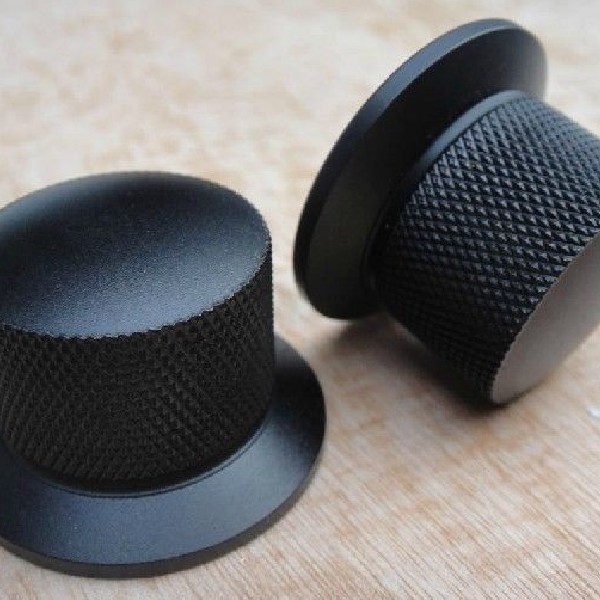
At JMI Prototypes, we understand that a part’s surface finish is just as important as its dimensional accuracy. Our surface finishing and post-processing services ensure your prototypes and production parts not only function flawlessly but also look and feel professional.
Our Surface Finish Capabilities Include:
Polishing & Buffing: Achieve smooth, glossy surfaces for aesthetic or functional purposes.
Sanding & Grinding: Remove imperfections and prepare parts for painting or coating.
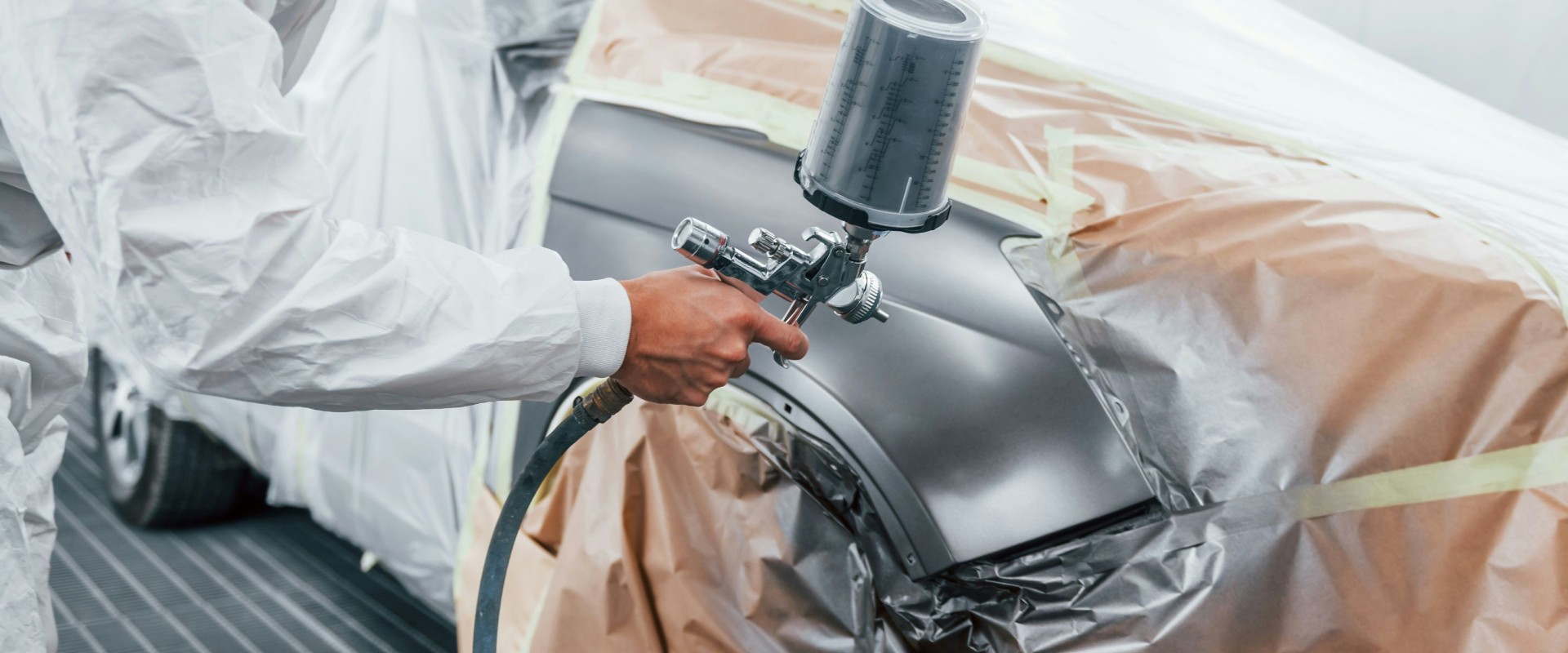
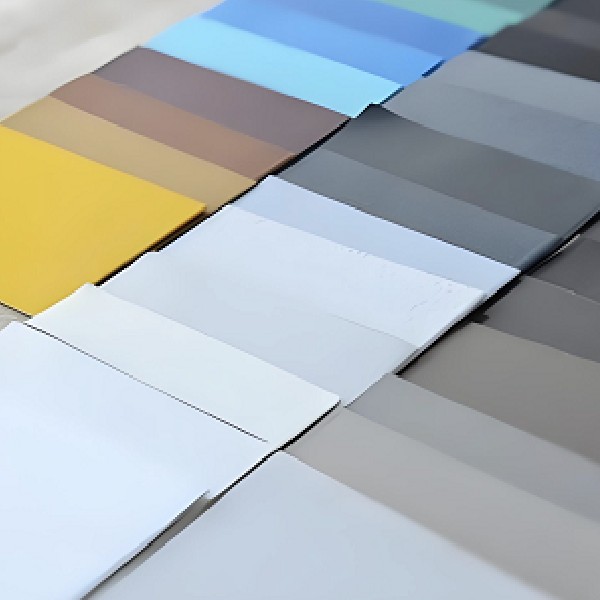
Painting & Coating: Apply protective or decorative finishes, including color matching.
Plating & Anodizing: Enhance durability and corrosion resistance for metals such as aluminum, steel, and brass.
Texturing & Etching: Add functional or decorative textures for grip, branding, or visual appeal.
Matte, Glossy, or Satin Finishes: Customized finishes to meet your design specifications.
Why Surface Finish Matters:
Improves visual appeal and product perception.
Enhances durability, corrosion resistance, and wear performance.
Provides functional benefits such as reduced friction or better grip.
Ensures consistent quality for prototypes, functional parts, and low-volume production.
Anodizing
Anodizing is an electrochemical process that forms a durable oxide layer on aluminum surfaces.
Benefits:
Excellent corrosion resistance
Improved surface hardness
מגוון color options (clear, black, custom colors)
Enhanced aesthetic appearance
Applications:
Widely used for aluminum parts in automotive, aerospace, and consumer electronics.
Sandblasting
Sandblasting uses high-pressure abrasive media to create a uniform matte surface finish.
Benefits:
Removes surface impurities and machining marks
Provides consistent texture
Improves coating adhesion
Non-reflective, professional appearance
Applications:
Ideal for metal and plastic parts prior to anodizing, painting, or coating.
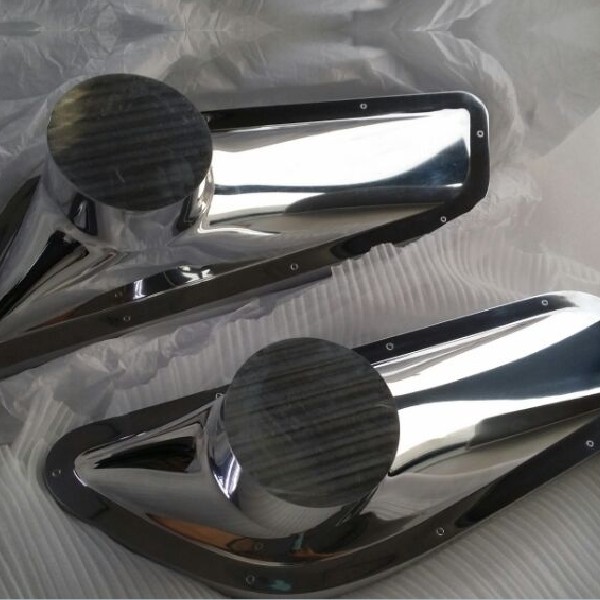
Polishing
Polishing is a mechanical process that smooths surfaces to achieve a glossy or mirror-like finish.
Benefits:
Applications:
Used for display models, optical components, and high-end product prototypes.
Powder Coating
Powder coating is a dry finishing process where powder is electrostatically applied and cured under heat.
Benefits:
Strong adhesion and durability
Excellent resistance to wear, corrosion, and chemicals
Uniform and thick coating
Eco-friendly (no solvents)
Applications:
Common for metal parts requiring robust and long-lasting finishes.
Painting
Painting involves applying liquid coatings to achieve specific colors and surface effects.
Benefits:
Wide range of colors and finishes (matte, gloss, textured)
High-quality cosmetic appearance
Flexible for small batch customization
Can simulate injection-molded finishes
Applications:
Ideal for appearance models, consumer products, and display prototypes.
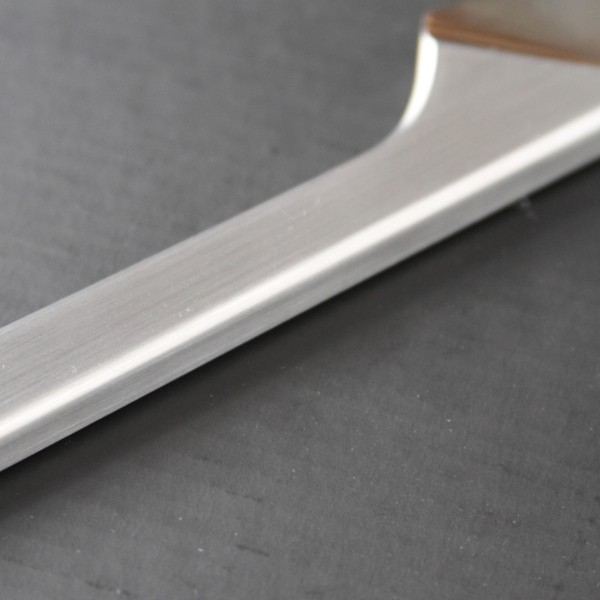
Brushing (Brushed Finish)
Brushing creates a linear texture on the surface using abrasive belts or brushes.
Benefits:
Unique metallic texture
Reduces visible fingerprints and scratches
Modern and premium appearance
Consistent directional finish
Applications:
Commonly used for stainless steel and aluminum parts in electronics and industrial design.